Believe

Last week I wrote about my Amherst Writers and Artists group. This week I’d like to write about another group I belong to—Sisters in Crime—an international organization that promotes the development and advancement of women writing crime fiction.

I have been a member of Sisters in Crime (SinC) International and both the Sacramento Chapter, Capitol Crimes and the Orange County Chapter for five years. This organization is made up of authors, readers, publishers, agents, booksellers, librarians, and others who love mysteries.

It’s where I go once a month to learn from authors who write in the “mystery” genre: cozy, hardboiled, noir, historical, sci-fi, paranormal, romance, thrillers, suspense, literary, and so on. Most recently, an author who writes the steamier romance mysteries set her story in Pelican Bay prison. That was an eye opener.

Our speakers are not always authors. They are often experts in peripheral fields such as law enforcement, victim advocates, forensics, or the medical profession to name just a few.

We are a community

We all help each other along in this organization. Experienced authors advise new writers, and some of us meet in writing and critique groups. Yesterday morning I met for breakfast with one of my Sisters in Crime to exchange suggestions on our works in progress. I can’t wait to dive in today and use her invaluable insight on my mystery. Writing is solitary work, but groups like SinC and the friendships we make help us to feel connected.

Between meetings, I visit the SinC online community where I can learn about the changing publishing scene and navigating the latest advances in social media, in addition to the craft of writing. So far, I have been a lurker. I’ll write more about that another time.

But what most often stays with me, especially at our monthly meetings, are the inspirational words the speakers leave with us, what has helped them to survive doubt and rejection.

At our last meeting, the speaker offered this:

“Believe. You will never get anywhere in this business if you don’t start with that.”

One of the reasons I started this blog was in hopes that writers attracted to this site will find something useful that might help with their own journeys. I do know one thing for sure, when one of us thrives, we all benefit.

Capitol Crimes, The Sacramento Chapter of Sisters in Crime

My First Time

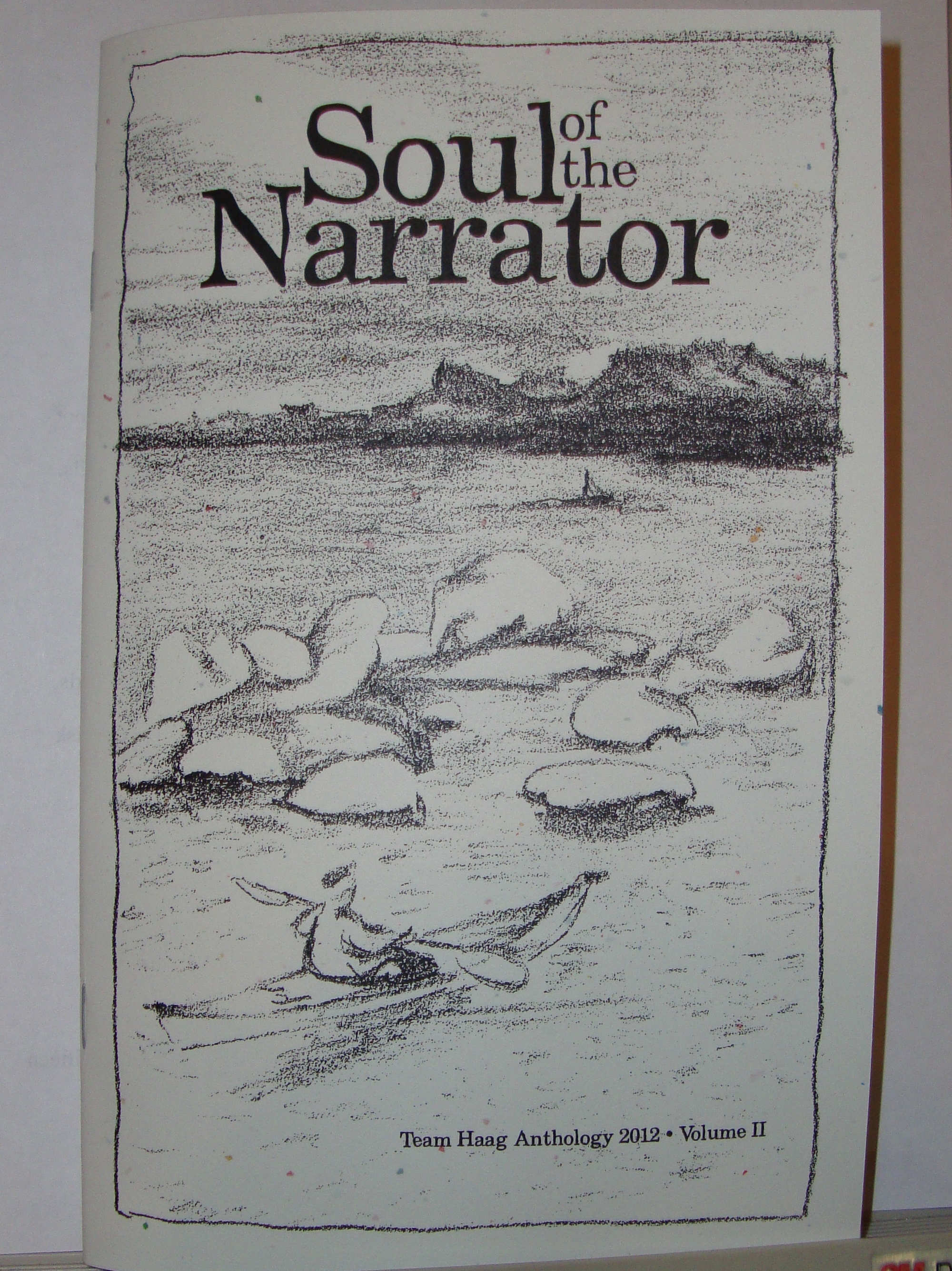
What I expected: A tiny, cold tin building where fifteen or twenty people huddled in a circle in metal chairs to read from the ‘zine Jan Haag and Laura Martin put together from the drafts we wrote from prompts during our Friday and Saturday Amherst Writers & Artists group meetings.

What happened: The warm and inviting space was filled with all ages of writers and their supporters: friends, spouses and significant others who knew each other as old friends. I stopped counting at forty people. Local artists’ paintings lined the walls. People helped themselves to cookies and drinks. Latecomers happily stood at the back as Jan Haag, leader of the Friday and Saturday groups introduced each of the nineteen writers to come to the mic and read their own words from The Soul of the Narrator.

How I felt: Anxious. Would I measure up? Jealous, at first. I’m new to the group and didn’t know many people. I started to slide into that old familiar feeling of not belonging when I realized I did belong. Each person there had a first time just like me. Maybe I didn’t know everyone, but I knew my Friday group. My dog story wouldn’t be as good as some of the wonderful poets and writers in the room, but they would welcome me anyway. I knew that instinctively.

I had reluctantly agreed to read my piece at Jan’s coaxing. She said, “We’d really like it if you would read.” I’m uncomfortable in front of a group, but if Jan had asked me to stand on my head and sing opera I would have done it. She has a super power; the power of compassion.

How it ended: I read. People smiled and clapped. I went home and ate chocolate and thought about the writing group that led to my doing something I had never done before.

I’ve been working on writing a mystery series for several years. Very few people have seen my drafts. The process of writing a mystery is all about what happens next. The Friday night writing from prompts is all about what happens now. Even if it triggers past memories or imaginative flights of the future, it’s filtered through what’s in our hearts at that moment. I’ve been known to hide my feelings from myself, let alone strangers, and there I am, every Friday night writing from that place, the heart. Those glimpses of my truth make me a more honest writer, and every writer in our group inspires me with their own soul-filled writing.

It’s clear to me why many of the people who gathered at the Poetry Center on Saturday night have attended Jan’s writing groups for so many years. After a long week, where we are engaged in activities with responsibilities to others or to our outer needs, we can gather to return to our own souls to feel what’s happening now, where it always feels like the first time.

Why I’m Starting This Blog

Over the years I’ve attended writer’s conferences, workshops and countless author readings. I’ve read a library of books and many blogs on the art and craft of writing. Some of the most insightful and helpful ideas about writing have come to me through the generosity of others who shared what they picked up along the way.

I started this blog to continue that tradition and to cast my net in hopes that writers attracted to this site will find something useful that might help with their own journeys.

Yesterday, I read the short story, “The Eyes,” in Edith Wharton: Collected Stories 1891–1910, in the Library of America Story of the Week. Library_of_America@email.loa.org

Most how-to books caution against lengthy description because today’s readers have too many assaults on their attention to linger over anything. We’re advised to get to the point. Brevity is king.

But I wonder if we’re missing something.

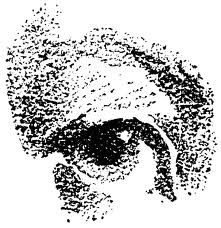
Here are a few of the ways Wharton described eyes in her short story:

  • …the eyeballs like blinds of which the cords are broken. One lid drooped a little lower than the other, with the effect of a crooked leer; and between these folds of flesh, with their scant bristle of lashes, the eyes themselves, small glassy disks with an agate-like rim, looked like sea-pebbles in the grip of a star-fish.
  • …wasn’t that the eyes were awful; they hadn’t the majesty of the powers of darkness. But they had—how shall I say?—a physical effect that was the equivalent of a bad smell: their look left a smear like a snail’s.
  • There they hung in the darkness, their swollen lids dropped across the little watery bulbs rolling loose in the orbits, and the puff of flesh making a muddy shadow underneath—and as their stare moved with my movements, there came over me a sense of their tacit complicity, of a deep hidden understanding between us that was worse than the first shock of their strangeness.

I will never write about eyes in the same way again. Wharton’s prose altered my vision and I know it will improve my writing. I am not advocating lengthy descriptions, but this Poe-like suspense story written between 1891 and 1910 opened my eyes!


I’d love to know if you enjoyed this post.