Creativity is Messy Business

Not to take anything away from the people and companies helping us organize our spaces, but in my experience, too much organization is death to creativity.

The professional organizer suggests we clear the desktop, file all papers, categorize, minimize and eradicate clutter.

That works well in every other space in my home. My bathroom towels are folded, toiletries put away. My bed is made, clothes hung in the closet. No dirty dishes in the kitchen sink. No newspapers strewn around the family room.

Yes, I feel serene when my writing space is neat. What I don’t feel is creative. When projects are tucked into their folders, lists consolidated, scraps of sticky notes tossed, and inspiring items I like to touch and look at hidden away, my mind is as blank as my desk.

Everything’s in play

Documents containing writing drafts, research, inspiration, editing tips, projects, and so on fill my computer desktop. My ideas cross-pollinate other projects. I swear they get together while I’m sleeping and generate even more connections. They jog my creativity like magic orbs bouncing around my mind, easy to grab onto. They contain snippets from blogs I follow or information on upcoming contests or conferences, and drafts of dialogue for the mystery I’m working on. Everything’s in play. But once they’re properly filed on the C drive my thread is severed. I’m at a loss about where to begin.

A disorderly mind is better than a blank mind
Here’s an example of how it works for me. I read the book, Steal like an Artist by Austin Kleon. Inspired, I went to my art workspace in the garage and started playing with words and pictures I’d gathered from magazines. That led to redoing my bulletin board to incorporate energizing ocean scenes. That gave me an idea for a new collage booklet using favorite lines from poetic fiction I’ve written in my writing group. I tossed around some images and papers and gathered colored pens and other supplies. Then an idea for my blog came to me so I left that mess and went back to my office, pulled out my yellow tablet and started writing.

Your thoughts?

The wonderful blogs I follow allow me to connect and communicate with so many creative people. I’d love to hear about your creative process.
Postcard Fiction #5

Surprise

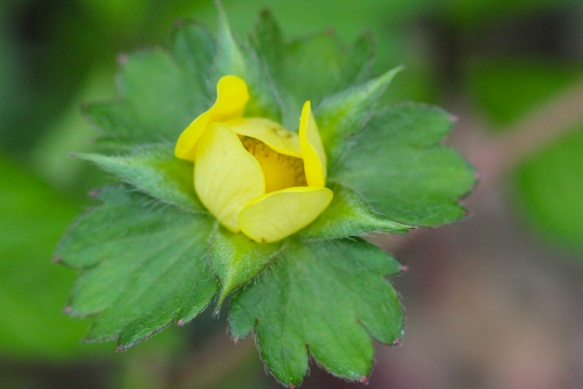
Over the years, she willy-nilly tossed seeds, plants and bulbs into pots and flower beds.

Each spring she felt a thrill of anticipation followed by surprise and delight.

She more or less lived her entire life that way, even when the elements delivered a sucker-punch.

Photo by Artistry by Adele

Six Writing Books that Deliver a Triple Whammy

I’ve written about when to step back from devouring how-to-write books like you’re cramming for a big exam. Now I’d like to mention six books on writing that have kept me moving forward through the years. Many books on craft have been invaluable resources, but I’m not listing them here, because they’re already on most writers’ lists.

The following books woke my spirit when I first read them years ago, along with Natalie Goldberg’s Writing Down the Bones and Anne Lamott’s Bird by Bird. They inspired me at a deep level and set me back on course whenever I was derailed. These are just a few:

The Artist’s Way by Julia Cameron. It’s one of the first I read that was a triple whammy of self-help guide, spiritual practice and specific tasks. She suggested writing three stream-of-consciousness pages every morning. As a result, I’ve been doing morning pages for twenty years. I feel unmoored if I haven’t done them before starting my day.

One Continuous Mistake by Gail Sher. Sher said, “Staying focused on who you are (with all your faults) requires maturity, perseverance and tremendous self-compassion. Act like and treat yourself as though your mind were joyful, kind and big—as though it were radiant, unlimitedly friendly and large. In reality, your true nature is such and if you treat yourself this way, you just may rise to the occasion.” It’s so easy to let negative thoughts creep in, and Sher reminds us to be our own champions.

If You Want to Write, A Book about Art, Independence and Spirit by Brenda Ueland. In her preface Ueland said, “Be Bold, be Free, be Truthful.” Simple words that can take a lifetime to achieve.

The Passionate, Accurate Story, Making your Heart’s Truth into Literature by Carol Bly. Her advice discusses writing in a moral, political and emotional context.  

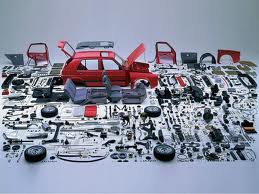
The Spooky Art by Norman Mailer. Best advice on what to read when you’re in the middle of writing a novel. Mailer said, “It’s disturbing to read a novelist with a good style when you’re in the middle of putting your work together. It’s much like taking your car apart and having all the pieces on the floor just as somebody rides by in a Ferrari.” I understood exactly what he was talking about even though I’ve never taken a car apart.

Writing Alone and with Others by Pat Schneider. Schneider started Amherst Writers & Artists writing workshops thirty years ago on the principal that teaching craft can be practiced without damage to the creative spirit, a writer is someone who writes, and every writer has a unique voice. I’ve written about my wonderful experience of attending an AWA writer’s group in this blog.

I’d love to hear what books on writing have inspired you on your writing journey.

How Writing with Others Made Me a Better Person

I didn’t think a writer’s group was for me. Solitude was what brought out my creative ideas. I certainly didn’t expect a writing group to help me grow as a human being.

I feel differently now.

Some days scrolling through the how-to advice on my laptop is like walking through a forest while being bombarded by squadrons of gnats. There’s no getting away from the swarm of emails, articles and blogs on craft and marketing advice about building a platform, how to use social media to improve your brand, productivity, and so on.

Granted, no one is holding a gun to my head to make me read those articles. I put the pressure on myself. I want to be a better writer (learn not to use clichés) and I want to learn more about how to reach readers. But through my writing group, I’m able to step back and find perspective.

My Amherst Writers and Artists group is an oasis of calm in a multitasking world. It’s an island where there’s no right or wrong way. We write, we read, we listen, we talk. We don’t judge. We respond to someone’s first bloom of creativity by deep listening. We often ask the writer to read the piece again, or to repeat lines. We take our time. We tell the writer what touched us, what phrase, tone, word or idea caught our imaginations. We always offer positive feedback. It’s not a critique group. What we’ve written are rough first drafts of possible poems, beginnings of short stories or new scenes for a novel or memoir. Sometimes it’s humorous, sometimes heartbreakingly sad, and always written from deep truth.

How has listening affected my life outside the writing group?

Like most of the tech-crazed people I know, I am often guilty of locking my eyes on my cell phone or staring at an overhead television at a restaurant with spouse or friends, or losing the thread of a conversation because my mind is on what I have to do next or what I’m going to say.

My writing group has reminded me to fully listen to what others are saying and to take the time to respond thoughtfully to their words. It’s not a dashed off email, or a tweet or an Instagram or Facebook post or even a blog. It’s an intimate connection. I’ve learned that it’s a gift when someone really listens to me, and I love returning that gift. It’s making me a better person and a better writer.

Postcard Fiction #4

Asphalt Advice

Say hello to others

See the forest

Drink lots of water

Remain calm

Ride a bike

Take your time

Smile

Simplify

Wear clothing that fits

Unplug

All I wanted was a parking space.

[I took this photo in the parking lot at The Camp, a favorite place in Costa Mesa. Art, good food, great atmosphere.]