Mystery Anthology Released

I’ve written before about the groups I belong to that support my writing—Believe, February 2012—and I’m doing it again today. Capitol Crimes, my local chapter of Sisters in Crime has released Capitol Crimes Anthology 2013. There are 15 stories, some funny and others spine-tingling suspense. My story is DEATH VALLEY REDUX, and it’s been called “chilling.” I hope you’ll check it out. Only $2.99 for the ebook.

I’m proud of our anthology and pleased to be part of this wonderful community of writers.

1455141_10202488734801697_1359280682_n[1]


Coming Soon!

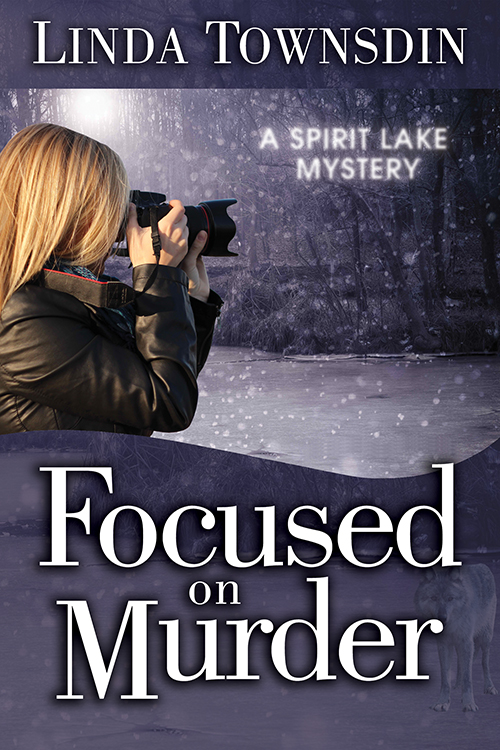
The past few months have been a blur of working with my critique group, getting feedback and editing my mystery—Focused on Murder.
There are still a number of steps until I’m published, so I can’t post a date yet, but I hope you’ll check it out when the time comes.
Focused_500x750

Motivation and Magic

I keep a notebook of spiritual and motivational advice that helps me navigate this life with as much grace and dignity as possible. I need it because I often fail at the grace and dignity part. I get lost.  It used to embarrass me that I needed a prop to find relief from negative thinking. What if I was a self-help-aholic?

That changed when I read an interview with the Dalai Lama a number of years ago.  He said he has to manage his motivation every day. Reading that interview was a gift. No wonder it was so difficult for me to stay positive and respond to life’s challenges with grace and dignity, even the Dalai Lama had to work on it.

Each morning I page through my ring binder to “manage my motivation” before starting the day. It’s filled with affirmations and advice from wonderful authors, and religious and spiritual leaders across all faiths. It opens my mind and heart. Magic happens. The alchemy of the day transforms from fearful to fabulous.

How do you manage your motivation?

photo (8)

Get Real with your Writing

Knowledge and memory are okay, imagination is great, Google is primo, but hands-on experience is hands-down the best way to get real with your writing.

Most people know this, but how many writers live it? The best ones, I’m guessing. I’m a reticent person, a borderline introvert, and imagination is my favorite tool. All I have to do is travel to my own head. It’s great for inspiration, but when real-life details are needed, when knowledge, memory, and Internet search engines don’t quite cut it, it’s time to interact with the real world.

Sometimes all you have to do is seize an opportunity.

For example, friends wanted to show me their restaurant remodel before the grand opening. We started the tour through the dining area with its stunning textures and artwork. Then we checked out the brand new stainless steel kitchen and my inner eye—always tuned into my writing—popped open.

Coincidence or something else?

In a scene in my novel, my protagonist is locked into a restaurant walk-in freezer. When creating the scene in my imagination, the kitchen area looked similar to the one I was currently touring, but the freezer wasn’t quite like this one. I’d even Googled walk-in freezers, but looking at the one standing before me opened up a novel way to show how my protagonist couldn’t get out, even with an emergency button.

My friend shut me in and my chest tightened, goosebumps rose on my arms. Even though I knew I could punch the button and open the door, the feeling of what it would be like to be enclosed in an ice cold box unnerved me, if only for a few seconds.

Do you have examples of how getting out of your head and away from your desk has brought your scenes to life with real details and visceral emotions? I’d love to hear them.imagesCAN9WY1A

The Boot Camp Approach to Writing Discipline

What if, instead of butt in the chair, trusty cup of coffee, perfect space and muse perched above your laptop while you sit for a specific amount of time writing your novel, you take on multiple challenges simultaneously and get your butt kicked? In a good way.

Shoehorning everyone into that old-school scenario no longer works for most of us in today’s short-attention-span culture. That’s why I’m using the cross fit/boot camp/functional fitness method of writing practice.

In my physical workouts, we never do the same thing twice. We don’t concentrate on one muscle for sustained periods, slowly repeating the same movements. We repeat, but almost always at a rapid pace. We get our heart rates up, rest, and keep going until we can’t anymore. We go through lots of different activities in different sequences to keep our minds engaged as well as our bodies. We have to count. Sometimes we work with a partner or a team and sometimes we’re on our own, at our own pace. We get tips on how to feed our muscles through good nutrition, and coaches offer motivational advice. We don’t know what to expect on any given day, but we know it will kick our butts and will be well worth it.

How it translates to my writing practice

This morning, I checked FB, email and Twitter, and honed in on a couple of blogs. One gave me ideas for a creative process to give my writing a boost and a branding site helped me with a strategy for publishing my book. I wrote a scene in one of the novels I’m working on and edited a chapter in another. I wrote a review of a friend’s book on Amazon and commented on a blog post by another. I wrote this blog. After that, my brain turned to jelly so I stopped.

With this method, I work hard and produce results without burning out on one project while neglecting others. I’m constantly getting new ideas and am stimulated to get out of my comfort zone and try new things.

There’s more than one way to work those writing muscles, and for me, surprising myself is what makes it fun. What works for you?